-
 play_arrow
BOX OFFICE RADIO
-
play_arrow
18:00 - The Wonderful World Of Musicals (Adrian & Fizz) 09 JUL 2024
-
play_arrow
AUDIO BoxOff_Admin
-
play_arrow
AUDIO BoxOff_Admin
-
play_arrow
AUDIO BoxOff_Admin
-
play_arrow
AUDIO BoxOff_Admin
-
play_arrow
AUDIO BoxOff_Admin
-
play_arrow
AUDIO BoxOff_Admin
-
play_arrow
AUDIO BoxOff_Admin
-
play_arrow
BEDS BoxOff_Admin
The Boy at the Back of the Class – New Theatre, Cardiff
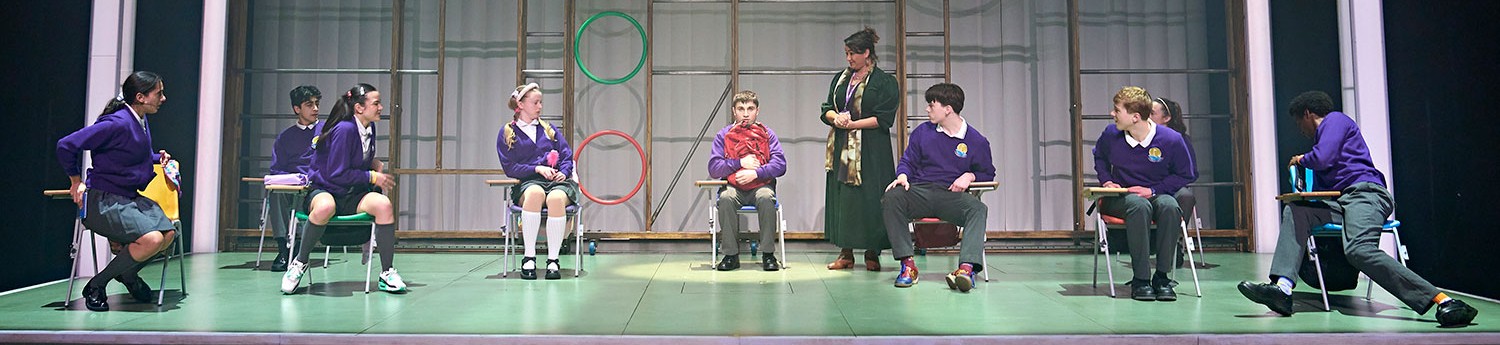
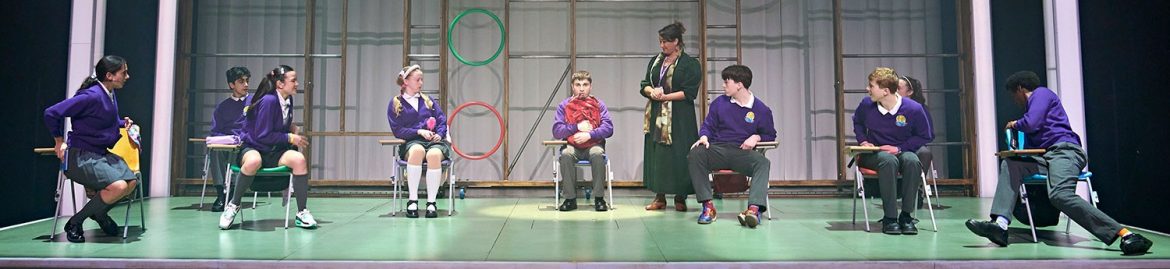
Theatre can entertain but it can also inform and educate and that is most definitely the case for this Olivier Award winning play, The Boy at the Back of the Class, aimed at children but which has a lot to say to adults too. It’s based on the children’s bookof the same name by Onjali Q. Rauf, and adapted by Nick Ahad for the stage, and tells the story of a class of 9-year-olds and a group of friends within that class who are curious about a new boy who occupies a once empty chair in the back of the class. He is the same age as them but his behaviour is very different – he never smiles or talks and seems very wary when one of them Alexa, the narrator of the story offers him a sherbet lemon. Thus follows a journey of discovery and a lesson in tolerance, empathy and kindness as they learn about Ahmet and his journey from Syria as a refugee.
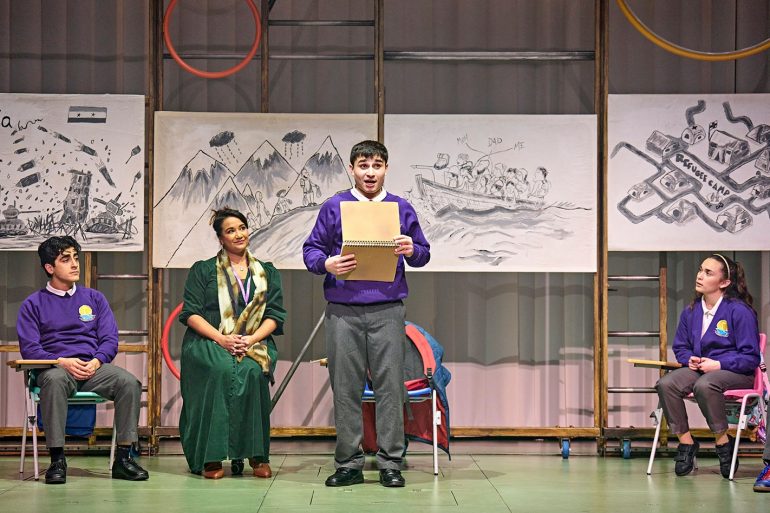
The play explains things very well in a way that is clear yet gentle but never sugar-coating difficult issues or patronising its young audience. It engages them by asking the right questions and looking behind the headlines to provide the real human story. This is brilliantly achieved by using adults to play the children in the story, which works so effectively, as well as allowing Ahmet to tell his own story when he breaks the fourth wall and talks to the audience away from the action as if we could all understand Kurdish. It succeeds beautifully in making the point that it is almost impossible to other someone when you spend time with them and ‘walk in their shoes’, as the children’s teacher explains when discussing her favourite book To Kill a Mockingbird.
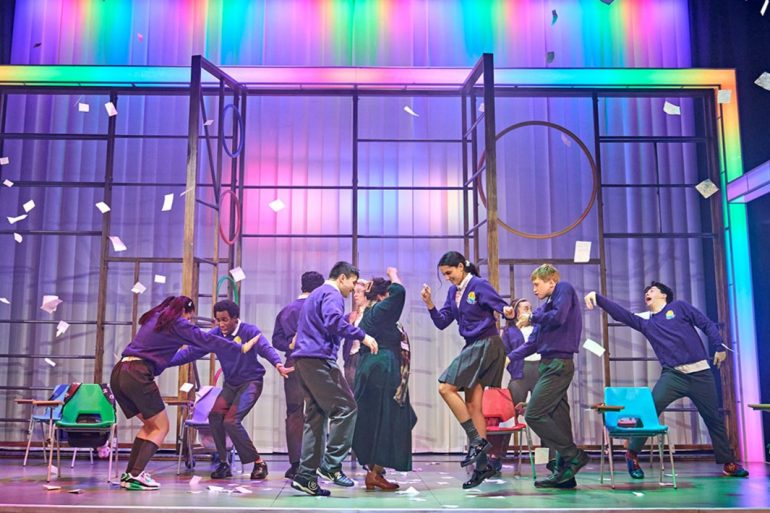
The play is well directed by Monique Touko and co-directed by Amy Crighton, incorporating physical theatre throughout the piece and the use of props brought to life by the cast is really effective. The set design by Lilly Arnold uses an easily recognisable set of school gym bars which move and adapt easily to represent different locations and the cast utilise them in lots of different ways as doors, ladders and even a London Bus. The lighting design by Ryan Day is also cleverly used in one particular scene as the children play football which is represented by a ball of light moving around the space whilst Ahmet, who it turns out is a great footballer, does keepy uppies, dribbling and kicking the ball and finding common ground with his new friends.
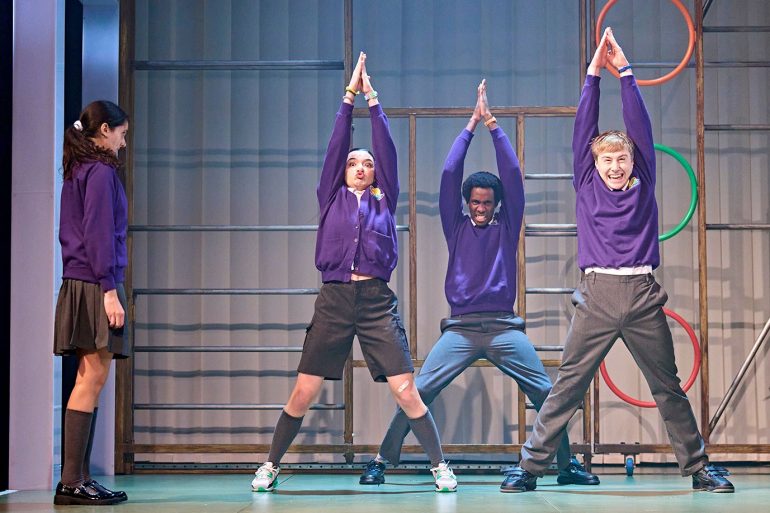
There are some great performances by the cast, particularly those portraying children, not an easy thing to do, but they all make their characters believable and recognisable. Sasha Desouza-Wilcox perfectly embodies the mannerisms of the inquisitive yet kind and caring Alexa who is dealing with her own challenges after the death of her father. Her friends Michael, Josie and Tom are also brought to life with great personality and individuality by Abdul Malik Janneh, Petra Joan–Athene and Jonny Warr, who create a lovely friendship dynamic within the group. Serkan Avlik has a challenging role as Ahmet to portray his story with few words for most of the first half until we get a chance to hear him speak his truth. Natasha Lewis also plays the roles of teacher Mrs Khan and Mum with great warmth and quiet strength. I must also mention Max Jordan and Evie Weldon who played multiple roles brilliantly, each one unique and adding more layers to the story.
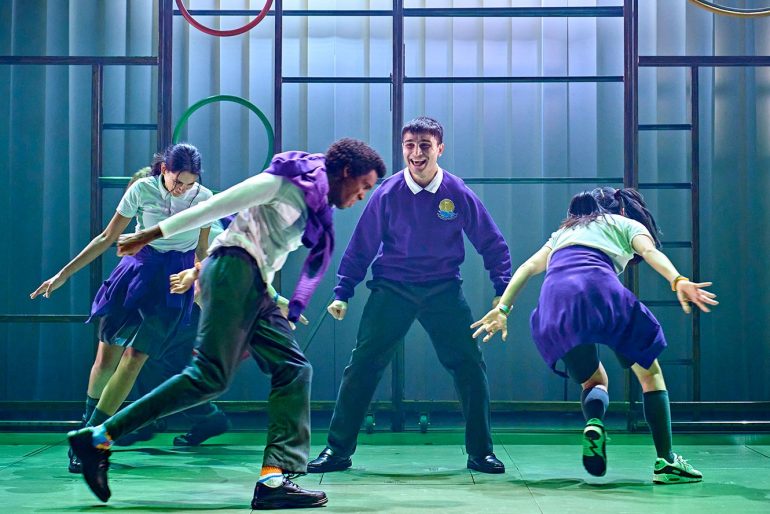
The Boy at the Back of The Class is a wonderful experience and something that everyone should see. It doesn’t preach but celebrates kindness as a powerful remedy to cruelty and prejudice, even when it comes in the form of a friendly football match, a sherbet lemon or a pomegranate. Its message is a mighty one – that small acts of kindness have the power to change everything and getting to know someone can make all the difference.
***** Stars